
Before selling your eBay card, take a few key steps to prepare. First, confirm the card’s core details: check its remaining balance (via eBay’s official portal or the card’s associated service), expiration date, and any usage restrictions (such as regional limits or excluded product categories). Next, gather the card’s essential information—including the card number and PIN—while keeping this data secure to prevent unauthorized access; avoid sharing these details with untrusted parties early on, as this can lead to fraud or loss of funds.
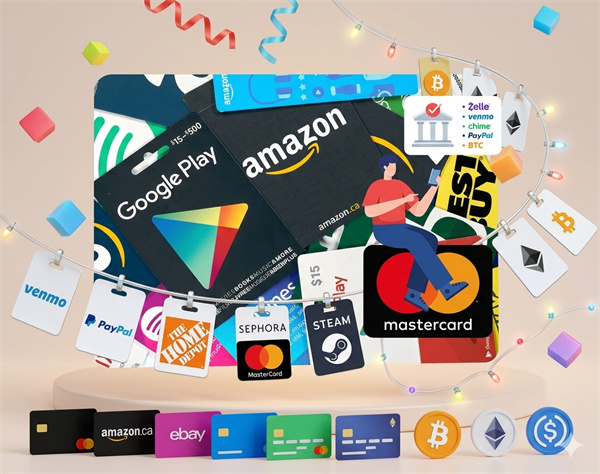
Choose a reliable sales channel that aligns with your preferences. One common option is reputable gift card exchange platforms, which offer a streamlined process: you list your card, the platform verifies its validity, and you receive payment (often via direct deposit, secure digital transfers, or other trusted methods) after the buyer confirms receipt. Alternatively, sell directly to someone you know (like a friend or family member) for a low-fee, personal transaction—just ensure you exchange the card for payment in person or via an instant, verified transfer method to avoid risks. For online marketplaces, stick to moderated, well-known platforms and avoid buyers who request unusual payment terms or pressure you to act quickly.
Follow safety practices during the transaction to protect yourself from scams. Always confirm the buyer’s payment is fully processed and in your account before sharing the card’s number and PIN; never send the card details first without guaranteed payment. Avoid vague payment methods like “gift card transfers” or unsecure links, as these are common red flags. Keep records of all communication and transaction details (such as payment confirmations and card information) in case of disputes. If using an exchange platform, review its policies on fees, dispute resolution, and payment timelines to ensure clarity before proceeding.